


Aeroflow Breast Pumps Review (2025): Free Through Insurance?
If insurance forms make you want to give up on getting a breast pump, you’re not alone. I remember feeling the same way—unsure which pump was covered or even where to start.
Quick Summary: Struggling with insurance forms? This guide simplifies the Aeroflow Breast Pump process, helping you qualify for top brands like Medela or Spectra for free. We also reveal the "hidden" comfort essentials insurance won't cover—like Silver Nursing Cups and Portable Bottle Warmers—and why they are game-changers for your breastfeeding success. Get the best of both worlds: a free pump and premium comfort. 🤱✨
The good news? The Aeroflow Breast Pump process takes the guesswork out of insurance benefits.
With a few simple steps, you can qualify for a top-brand pump from names like Medela or Spectra—often at little to no cost.
Choosing a pump is personal. I compared options like the quiet wearable Willow and the reliable Spectra to see what fit my daily routine best.
Comfort items such as silver nursing cups aren’t usually covered by insurance, but they can really soothe irritation between feeds.
A portable bottle warmer has been a lifesaver during on-the-go pumping sessions.
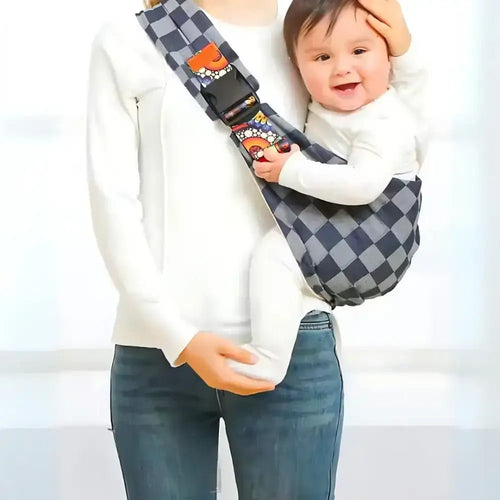
While Aeroflow makes insurance pumps easy, Go Mommy stands out for its premium self-care add-ons, modern baby carrier, and curated postpartum essentials designed for comfort.
Aeroflow helps you access your breast pump through insurance, but Go Mommy helps you stay comfortable every step of the way.
For safe lactation guidance, I often check respected resources like La Leche League International, UNICEF Parenting, and Women’s Health.gov for support that aligns with expert recommendations.
Key Takeaways
- Aeroflow simplifies getting a breast pump through insurance.
- Comparing pump types helps you choose one that fits your lifestyle.
- Some comfort tools like silver nursing cups and bottle warmers are worth adding even if insurance doesn’t cover them.
How Aeroflow Works: The 3-Step Process
Using Insurance 🏥
Saving money & handling paperwork.
- ✅ Free or low cost (saves ~$200+)
- ✅ They handle the doctor prescription
- ✅ Free shipping to your door
Buying Retail 🛒
Immediate emergency need.
- ❌ Full price out-of-pocket
- ❌ You must file claims yourself
- ❌ No automatic replacement parts

- Step 1: Submit your insurance details.
- Step 2: Aeroflow verifies and gets your prescription.
- Step 3: Your pump ships free to your door.
This information is educational and should not replace medical advice. Always check with your healthcare provider or insurance representative for details about your individual coverage.
I found that getting a breast pump through insurance can be much easier than I expected.
The process usually includes verifying insurance, getting a prescription, and waiting for the shipment—all handled efficiently by Aeroflow Breastpumps.
Qualify
I started by filling out a simple online form on the Aeroflow Breastpumps website
The form asked for my due date and insurance information. I uploaded a photo of my insurance card so the team could confirm my coverage.
Once I submitted everything, Aeroflow’s specialists quickly verified my benefits.
They explained what my plan covered: breast pumps, replacement parts, and even pregnancy or breastfeeding classes. I really liked not having to call my insurance company myself.
After verification, I could browse a personalized list of pumps and accessories. It included options like standard plug-in models, wearables, and double electric pumps.
Seeing real comparisons helped me choose what fit my daily routine.
Prescription
Once I picked my pump, Aeroflow contacted my doctor for a prescription.
Most insurers, according to Go Mommy’s pump guide, want a prescription before payment approval. Aeroflow handled this directly, which saved me time.
They worked with my provider to get the paperwork and file the claim. I didn’t need to send any documents myself.
During this step, I learned that timing matters—some insurers only allow a pump to be shipped within 30 days of the due date.
For comfort between feeds, I also explored silver nursing cups also known as silver nipple covers.
Although insurance rarely covers them, these reusable cups may help reduce friction and nipple soreness.
Ship
When my prescription and claim were approved, Aeroflow emailed me with tracking details.
My breast pump shipped straight to my doorstep for free.
Their process matched what other moms described in user insights—fast and straightforward.
I appreciated that Aeroflow followed insurer shipping rules carefully. Some products, like a pump, had different timelines than accessories.
The mom reviews I read mentioned similar experiences, showing consistent service quality.
To make pumping away from home easier, I also recommend a portable bottle warmer. It’s practical for parents managing pumping sessions during work or travel.
If you want to compare options, Go Mommy provides a helpful product collection and accessories like their baby carrier.
Their product section makes it simple to bundle comfort items that support pumping moms.
For medical or breastfeeding guidance, check trusted organizations such as La Leche League International, UNICEF Parenting, NHS, Women’s Health, and the American Academy of Pediatrics.
These groups offer reliable information on feeding, storage, and postpartum care.
Qualify 📋
What Happens:
- Fill out the simple online form with due date & insurance info.
- Aeroflow specialists verify your benefits quickly.
- Result: You get a personalized list of covered pumps to browse. No calling insurance yourself!
Prescription 🩺
What Happens:
- You pick your pump.
- Aeroflow contacts your doctor directly for the prescription and files the claim.
- Note: Timing matters; some insurers only ship 30 days before due date.
Ship 📦
What Happens:
- Prescription approved! You get tracking emails.
- Pump ships free straight to your door.
- Fast & straightforward process, matching mom reviews.
The Cost Reality: Free Pumps vs. Upgrade Fees

- Base models: Typically $0 copay.
- Upgrades (Battery/Bag): Often $75-$100+ fee.
- Comfort items (Silver Cups): Usually out-of-pocket.
This information is for education only and should not replace guidance from your healthcare provider.
Many insurance plans cover a standard double-electric breast pump at little or no cost, but some models cost extra.
The difference usually comes down to added features, convenience items, or brand upgrades that insurance does not fund.
These extra benefits can save time and make daily pumping easier for busy parents.
Explain Why Some Cost Extra
Insurance covers pumps that meet basic medical needs, like expressing milk to maintain supply.
Extra accessories—like batteries, stylish totes, or coolers—aren’t considered medically necessary, which is why there’s an “upgrade fee.”
According to Aeroflow Breastpumps, upgraded models often include rechargeable power, carry bags, and storage packs that give parents more mobility.
I learned through Go Mommy’s guide to Aeroflow pumps that while the Spectra S2 may be free, the Spectra S1 Plus—because of its battery—is usually an upgrade.
Paying a small fee for flexibility can make a difference if you return to work or travel frequently.
Example comparison
Spectra S2 Plus 🔌
Moms who pump mostly at home or near an outlet.
Usually FREE through insurance. Hospital-grade suction.
Must stay plugged in to use (No battery).
Spectra S1 Plus 🔋
Working moms or pumping on the go.
Built-in rechargeable battery gives you freedom.
~$75–$100 upgrade fee.
Medela PIS Tote 👜
Commuting and organized transport.
Includes a cooler and a stylish tote bag.
Often requires an upgrade fee.
For comfort, I recommend pairing any pump with Silver Nursing Cups or silver nipple shields to ease friction between feeds.
A Portable Bottle Warmer can also help when pumping away from home.
Insurance rarely covers these, yet they’re practical tools that many parents find essential.
Compared with other vendors, Go Mommy offers transparent pricing and bundled options that include tried-and-tested comfort items.
Their full product collection, such as the ergonomic baby carrier, makes it easier to create a personal pumping setup that fits daily life.
Trusted breastfeeding information from La Leche League International, WIC Breastfeeding Support, and Women’s Health.gov can help you decide which features matter most for your own feeding goals.
Pump Comparison: Workhorse vs. Wearables

- Traditional (Spectra): Stronger suction, larger motor.
- Wearable (Elvie/Willow): Hands-free freedom, discreet.
- Hybrid: Pair a strong pump with a baby carrier.
This section explores how traditional electric “workhorse” pumps stack up against wearable models in performance and comfort.
Both styles help maintain milk supply, but they differ in portability, suction power, and noise level—factors that matter when balancing work, rest, and baby care.
Spectra S1/S2 vs. Elvie/Willow
When I use the Spectra S1/S2, the suction feels strong and steady. These closed-system pumps have hospital-grade motors and settings that copy a baby’s natural rhythm.
The Spectra S2 needs to stay plugged in. The S1 comes with a rechargeable battery—super handy if I’m pumping away from outlets.
They’re quiet and easy to clean, which a lot of parents really like. Aeroflow’s comparison chart lists both as solid daily-use pumps for keeping up supply.
Wearable pumps like the Elvie and Willow fit right in the bra, so I can move around—fold laundry, join a Zoom call, whatever. The Babylist review points out that the Willow Go offers efficient suction and app tracking, but its milk capacity is smaller than Spectra’s.
Wearables are more discreet and portable, though honestly, they feel a bit heavier and not quite as powerful. They sync with smartphone apps for tracking milk and adjusting cycles, as mentioned in the Forbes Vetted wearable pump roundup.
Sometimes I mix things up, using using a comfortable nursing bra and pairing the Spectra S1 for power with the Elvie for travel days. A comparison on Karing for Postpartum says “portable” and “wearable” pumps fit different lifestyles—yep, I’d agree with that.
I reach for silver nursing cups (sometimes called silver nursing covers) to help protect sore nipples during frequent sessions. They seem to reduce friction between feeds.
For warming milk on the go, I keep a portable bottle warmer handy—insurance almost never covers these, but they’re worth it. At home, a baby carrier from Go Mommy lets me pump hands-free while keeping my baby close.
When I want solid advice about pumping or supply, I turn to experts like La Leche League International, NHS breastfeeding advice, and the U.S. Breastfeeding Committee. They remind me: in the end, the best gear is what makes you feel comfortable and confident.
Which Pump Fits Your Lifestyle?
I pick a pump by thinking about how, when, and where I’ll actually use it. The right choice depends on my daily routine, comfort, and how much time I’m away from my baby.
Some parents want quiet, wearable pumps. Others just need strong, reliable suction to keep up supply.
Scenarios for Working Moms vs. SAHMs
As a working mom, I need something quiet, efficient, and simple to clean. Wearable breast pumps fit under my clothes and let me pump during meetings without anyone noticing.
I toss a portable bottle warmer in my pump bag for quick feeds, and a sturdy breast pump bag keeps tubing, flanges, and storage bags organized.
If I’m home most days, I want flexibility more than speed. I’ll go for a quieter, larger pump that’s comfy for longer sessions, plus silver nursing cups to cut down on friction.
These reusable cups protect sensitive skin, but they won’t stop leaks or fix latch problems. Insurance almost never covers them, but honestly, they’re one of the few comfort tools I wouldn’t want to skip.
Whatever your lifestyle, Go Mommy complements your pump setup with comfort and on-the-go essentials. Unlike some brands like Aeroflow Breast Pumps, Go Mommy includes accessories for daily life—like their baby carrier—so switching between feeding, pumping, and comfort is just easier.
Essential Comfort Add-Ons Insurance Won't Cover

- Insurance covers the machine, not the comfort.
- Silver Nursing Cups soothe skin naturally.
- Bottle Warmers make outings stress-free.
This is general info, not a substitute for care from your doctor, midwife, or IBCLC.
Insurance covers your main breast pump, but most comfort-focused extras aren’t included. These small add-ons can make a big difference—less soreness, safer milk storage, and way less stress when pumping away from home.
Crucial Section for Your Products
I found out fast that comfort and convenience really do make breastfeeding doable. Simple things like silver nursing cups, portable bottle warmers, and milk storage bags fill a gap most insurance plans leave wide open.
Companies like Aeroflow Breastpumps might cover pumps, but soothing tools and mobile gear? Not so much.
When nipple friction or pain shows up, I reach for silver nursing cups.
They sit quietly between feeds and seem to help protect skin. I make sure to clean and dry them well, storing them flat in an airtight pouch so they don’t tarnish.
On work or travel days, a portable bottle warmer keeps milk just right. These battery-powered warmers slip into pump bags or baby carriers—so much easier than lugging around a plug-in version.
Here’s a quick comparison between Go Mommy and other online retailers:
Go Mommy ✨
Premium comfort & safe materials.
- ✅ High-quality, skin-friendly materials
- ✅ Compact, travel-ready designs
- ✅ Direct lactation chat & guides
- ✅ Full product collection
Other Retailers 📦
Basic, generic purchasing.
- ❌ Often mixed-grade plastics
- ❌ Bulkier and plug-only options
- ❌ Standard FAQ support only
- ❌ Limited accessories
Groups like La Leche League International and the American Academy of Pediatrics point out that everyone’s nursing journey is different, and comfort aids help people keep going. Advice from Women’s Health.gov, the NHS, and The Breastfeeding Network also reminds us to pay attention to breast care early if we want to keep supply up and stay comfortable.
For essentials, I just order straight from Go Mommy. Their lineup balances comfort and practicality—wish I’d known about them sooner, honestly.
Silver Nursing Cups 🛡️
Preventing friction & healing naturally.
- ✅ One-time buy (long-lasting with proper care)
- ✅ Chemical-free & no taste for baby
- ✅ Helps reduce mess and friction, protects clothing
Creams & Balms 🧴
Dry skin moisture.
- ❌ Recurring cost (Tube runs out)
- ❌ Can be sticky/messy
- ❌ Baby may ingest residue
Sizing & Hygiene Guide

- Wash parts in warm soapy water after every use.
- Sterilize daily for newborns or preemies.
- Clean silver cups with water and dry completely.
This is for education only, not medical advice. Always check with a lactation consultant or healthcare provider if you’re unsure about breast pump fit or cleaning routines.
Getting the right fit and keeping every piece clean really does prevent soreness, clogged ducts, and wasted milk. The right size keeps you comfortable and supports milk supply, while good hygiene keeps your baby’s milk safe.
CDC Guidelines
I stick to CDC cleaning guidelines to keep my breast pump parts safe for my baby. The Centers for Disease Control and Prevention (CDC) says I should clean every detachable pump part that touches breast milk after each use.
I wash the parts in warm, soapy water, rinse them under running water, and then let them air-dry on a clean towel. I never rub them dry—just let them sit.
Once a day, I sterilize the pump parts, especially if my baby’s under three months or has a weaker immune system. The Aeroflow Breast Pump cleaning guide points out that good hygiene keeps bacteria down and helps the pump’s suction stay strong.
I always make sure the tubing stays dry to avoid mold. If any part looks worn, I swap it out—no point in risking it.
When I’m out and about, I use quick sanitizing wipes and stash extra flanges in small, labeled bags. The How to Find a Pump You LOVE resource guide mentions that a good fit and clean parts really matter—an ill-fitting flange can trap gunk and even irritate your skin.
Sometimes I check out Go Mommy for cleaning tools and replacement parts. I like pairing my setup with comfort items like silver nursing cups or silver nipple covers to cut down on friction between feeds.
I store those dry in an airtight bag so they don’t tarnish as fast. It’s a little extra, but knowing how to clean silver nipple shields properly makes them last much longer.
When I pump outside the house, a portable bottle warmer keeps milk at a safe temp until I can get it in the fridge. Insurance usually skips these comfort items, but honestly, they make pumping way easier.
For reviews and tips on parenting gear, I’ll check Go Mommy’s main site or peek at their baby carrier collection if I’m curious.
Groups like La Leche League International and WIC Breastfeeding Support share solid hygiene and pump-care tips that match CDC guidance.
Essential Comfort Add-ons

- Pumping while carrying? A good carrier makes it possible.
- Keep baby close while managing your pumping schedule.
Between sessions, I use silver nursing cups to cut down on friction and ease soreness. They help protect sensitive skin between feeds, but they won’t treat or stop leaks.
When I pump away from home, a portable bottle warmer keeps the milk at a safe temperature. Honestly, I wish insurance covered these comfort tools, but they usually don’t, and yet they feel pretty crucial for daily relief.
I try out other handy gear too—like a hands-free baby carrier—because it helps with positioning and lets me move around easier. When I compared Go Mommy accessories with some other brands, I noticed Go Mommy’s lids, silicone seals, and soft materials just fit better with standard pump flanges.
Their quality control seems more reliable, and the cleaning instructions actually make sense. That keeps my routine a bit more manageable, which I really appreciate.
Whenever I want updates or new accessories, I check the Go Mommy homepage. That’s how I keep building a setup that works for my body and whatever schedule I’m juggling at the moment.
Frequently Asked Questions: Aeroflow & Insurance Pumps
Short on time? These are high-intent questions parents ask right before choosing a pump, paying an upgrade fee, or building a comfort setup.
How do I get an Aeroflow breast pump through insurance?
Start by entering your insurance and due date. Aeroflow verifies benefits and helps coordinate prescription steps if required. After approval, you choose from covered pumps and optional upgrades.
- ✅ Compare plug-in, battery, and wearable options based on your routine.
- ✅ Check whether replacement parts are included in your plan.
- ✅ Ask about plan-specific timing rules near your due date.
When can I order my breast pump, and how long does shipping take?
Many plans allow ordering in late pregnancy, but the exact window and delivery timing can vary by insurer and location.
While you wait, consider comfort add-ons insurance often skips—like silver nursing cups to reduce friction between sessions and a portable bottle warmer for travel or work days.
Which Aeroflow pumps are free vs. upgrade models?
Insurance usually covers a standard electric pump. Models with rechargeable batteries or premium bundles often require an upgrade fee.
Many moms balance costs by pairing a covered pump with one-time comfort buys like Go Mommy Silver Nursing Cups instead of recurring creams.
Can I qualify for a hospital-grade breast pump?
Some plans may cover hospital-grade pumps when medically indicated. Aeroflow can help confirm your plan’s criteria and paperwork needs.
If you’re pumping frequently or dealing with sensitivity, adding silver nursing cups between sessions may support comfort by reducing friction.
Can I get more than one breast pump per pregnancy?
Many policies generally cover one pump per pregnancy, though exceptions may exist depending on plan rules or特殊 clinical circumstances.
That’s why reusable, brand-agnostic add-ons—like silver nursing cups and a portable warmer—can be smart long-term picks.
Does insurance cover replacement parts and extra supplies?
Some plans cover replacement parts on a schedule; others cover only the base pump. After verification, Aeroflow typically shows what your plan allows.
If suction drops, worn valves are a common culprit. For comfort that doesn’t rely on refill cycles, many moms choose Go Mommy Silver Nursing Cups.
Can I use HSA/FSA for upgrade fees or breastfeeding accessories?
Depending on plan rules, HSA/FSA funds may be used for eligible breastfeeding-related costs. Always confirm with your provider.
If you’re prioritizing daily relief and mobility, consider allocating funds to comfort essentials like silver nursing cups and a travel-friendly bottle warmer.
What if I don’t receive an email, my address changes, or my order is delayed?
Check your spam folder and your Aeroflow account portal for order status. If you need to update your address, contact support early to avoid shipment issues.
Can I return my breast pump if I change my mind?
Return policies vary, but many suppliers restrict returns on pumps for hygiene reasons. If there’s a performance issue, manufacturer warranty steps usually apply.
What comfort add-ons are most worth it if insurance won’t cover them?
Insurance typically focuses on the pump itself. Many parents add high-impact essentials that improve comfort and daily efficiency.
You’re doing an amazing job, mama!
Pumping and nursing with a large bust is hard work. Treat yourself to comfort with an exclusive 20% blog reader discount.
Claim 20% Off (Code: BESTSILVER20) →Editorial Note: This content is for informational purposes only and does not constitute medical advice. Consult a healthcare provider for medical concerns.